

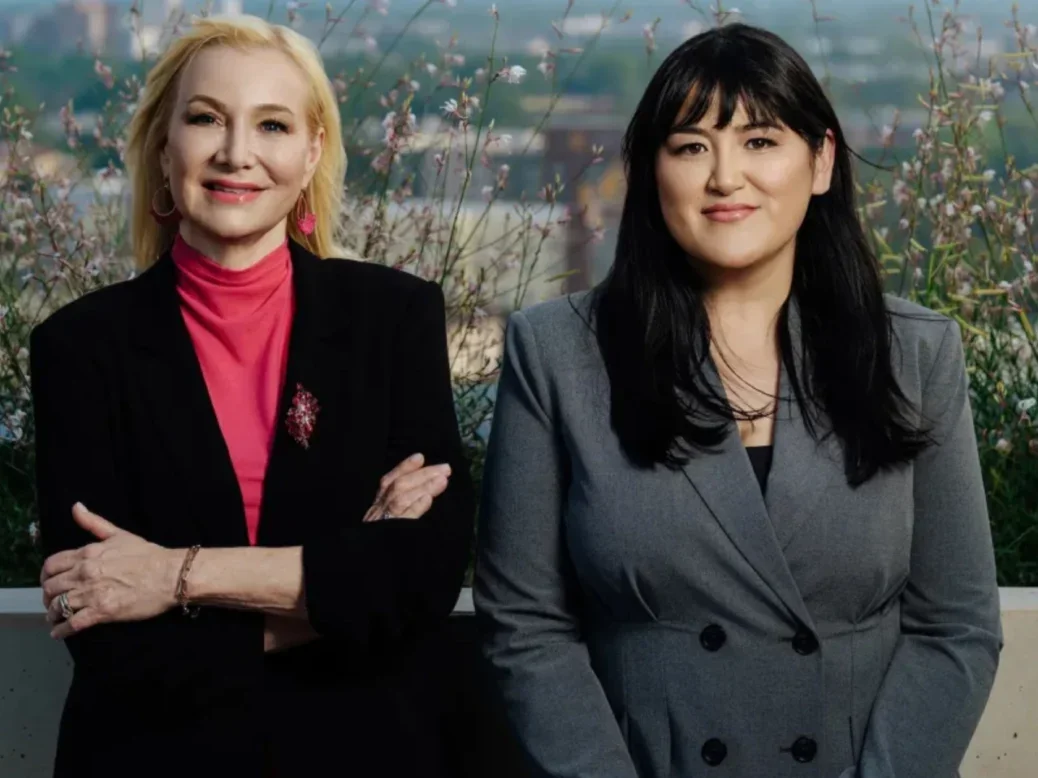
Two Texas non-profit news organisations combined so they could be “stronger together” and help to protect a dwindling number of local journalists in the state, their bosses told Press Gazette.
The board of the San Antonio Report voted to donate all of its assets to NPR member station Texas Public Radio, with the organisations joining together with a combined board from 1 July.
Texas Public Radio, which was founded in 1982 as a classical music station, runs on-air, digital streams, a website and in-person events and provides local, regional, state, national, and international information as an NPR affiliate.
The San Antonio Report began life as a hyperlocal blog in 2012 and continues to report specifically on the city. It runs events such as City Fest, which features keynote talks and panel discussions about local issues.
They remain two separate newsrooms with distinct voices, although former editor-in-chief of San Antonio Report Leigh Munsil is now leading both teams. A long-term plan for how they should, and should not, combine is in the works.
The combined newsrooms have a staff of about 30 people, roughly doubling the size of each.
Ashley Alvarado, president and chief executive of Texas Public Radio who remains CEO after the charitable contribution of assets, told Press Gazette: “This wasn’t about one organisation saving the other one. Instead, it was really looking at: are we better positioned if we go at this together?”
She added that they “need to be really thoughtful about how we move into the next chapter or chapters when it comes to being a resilient media organisation” amid “all the headwinds” facing the journalism industry.
She said Texas Public Radio had revenue of about $7m in the past year, up from about $6.5m the year before, attributing the increase to individuals giving more as they feared the impact of losing all federal funding to NPR, PBS and their member stations following the passing of the Rescissions Act last summer.
San Antonio Report reached revenue of around $2.3m before the merger.
Early fundraising proves merger ‘spot on the right decision’
Angie Mock, CEO and publisher of the San Antonio Report before the merger who is now transformational gifts officer helping with the transition for one year, said both organisations had just finished their best financial year as the boards discussed coming together.
“So that puts us on day one at around $10m. And what we’re finding is that funders are very interested in that kind of scale, more so than two or three individual newsrooms doing their own thing in a city the size of San Antonio.”
Before the merger was announced, the organisations raised $1.4m from local donors and philanthropic groups intended to boost their combined digital operations and reporting capacity.
Since then a further $1.4m was raised from national funders.
Mock said the combination is therefore “proving to be spot on the right decision based upon our early ability to raise funds for sustainability”.
Mock also noted that the San Antonio Report’s unique visitors were up 21% this year so far despite Google’s AI Overviews and other audience changes.
[Read more: Traffic to 10 biggest US news websites down a third in two years]
Hiring is already planned for roles that would drive revenue, including in corporate sponsorship and in digital, as well as in journalism, audience and product.
Alvarado said they are “designing for the future” and “thinking about how we can create necessary efficiencies while really protecting the journalism and the journalist roles”.
For example, the San Antonio Report team have already moved into the Texas Public Radio building and there are dozens of decisions to be made about how to combine the newsrooms’ individual tech stacks.
Texas newsbrands build ‘newsroom of the future’ together
The women cited research in the Local Journalist Index 2026 from Muck Rack and Rebuild Local News, which found Bexar, the Texas county in which San Antonio sits, has 5.05 local journalists per 100,000 people.
This is below the national US average of 7.8 and the Texas average of 5.55. The US figure is down from 40 journalists per 100,000 people in 2002, an 81% decline in just under 25 years.
Alvarado said: “Texas, as a state, is one of the lowest ranking in the country when it comes to that ratio of how many people are covering the news here, and something that I’ve been really aware of since I moved to Texas is that what happens in Texas matters to the entire country, and so we have to make sure that we have a robust journalism core supporting the information needs.”
Mock said San Antonio has a “robust” media ecosystem, with competitors including Hearst’s San Antonio Express-News, public radio station KLRN, San Antonio Current and the San Antonio Business Journal, but she noted it is nonetheless in decline – especially when put in the context that it is the seventh-largest city in the US and “growing leaps and bounds”.
Mock said the San Antonio Report, which has been operating in a “lean fashion”, was facing a limit on its growth potential before the merger.
“It’s very hard for those local news organisations that are started by journalists to be long-term sustainable… many do really well like we have, but you get to a point where you just cannot grow audience, you cannot substantially grow revenues without doubling down on business development and this combination is allowing us to do that, so that we can together make sure that our community has trusted local news for years and years to come.”
She described the combined teams as building a model for the “newsroom of the future”.
“We are so excited to be innovating this model in San Antonio, Texas. We are the kind of organisation that wants to take what we do here and help others across the country to try to figure it out because it’s so incredibly important. Trusted local news, independent news, the kinds of things we report on, are actually the things that affect people more than, usually, statewide issues, and definitely more than national issues. So we realise the importance of what we’re doing, and we hope to be able to help others and learn from others as we ensure long-term sustainability of local news.”
Both organisations are heavily dependent on individual support from paying members. Their memberships remain separate, although these could be combined in the future.
Mock said philanthropy, including large givers, foundations and grants, “will always have a role” but they hope to continue growing individual payments further.
Alvarado added: “And then we’re fortunate to be in a position where we’re looking at opportunities for monetisation whether you’re talking about corporate support, underwriting, or ticketed events and sponsorship for events, so we need to be thinking about how we’re driving revenue across all of what we do, while deepening the relationship with the communities that we serve.”
Email pged@pressgazette.co.uk to point out mistakes, provide story tips or send in a letter for publication on our "Letters Page" blog
